A Half-Day Walk Through San Lorenzo and El Salvador, Segovia
 A Half-Day Walk Through San Lorenzo and El Salvador, Segovia
Two working parishes east of the aqueduct, a Romanesque church apiece, and a loop of about three kilometres that most visitors to Segovia never walk.
Why start at San Lorenzo
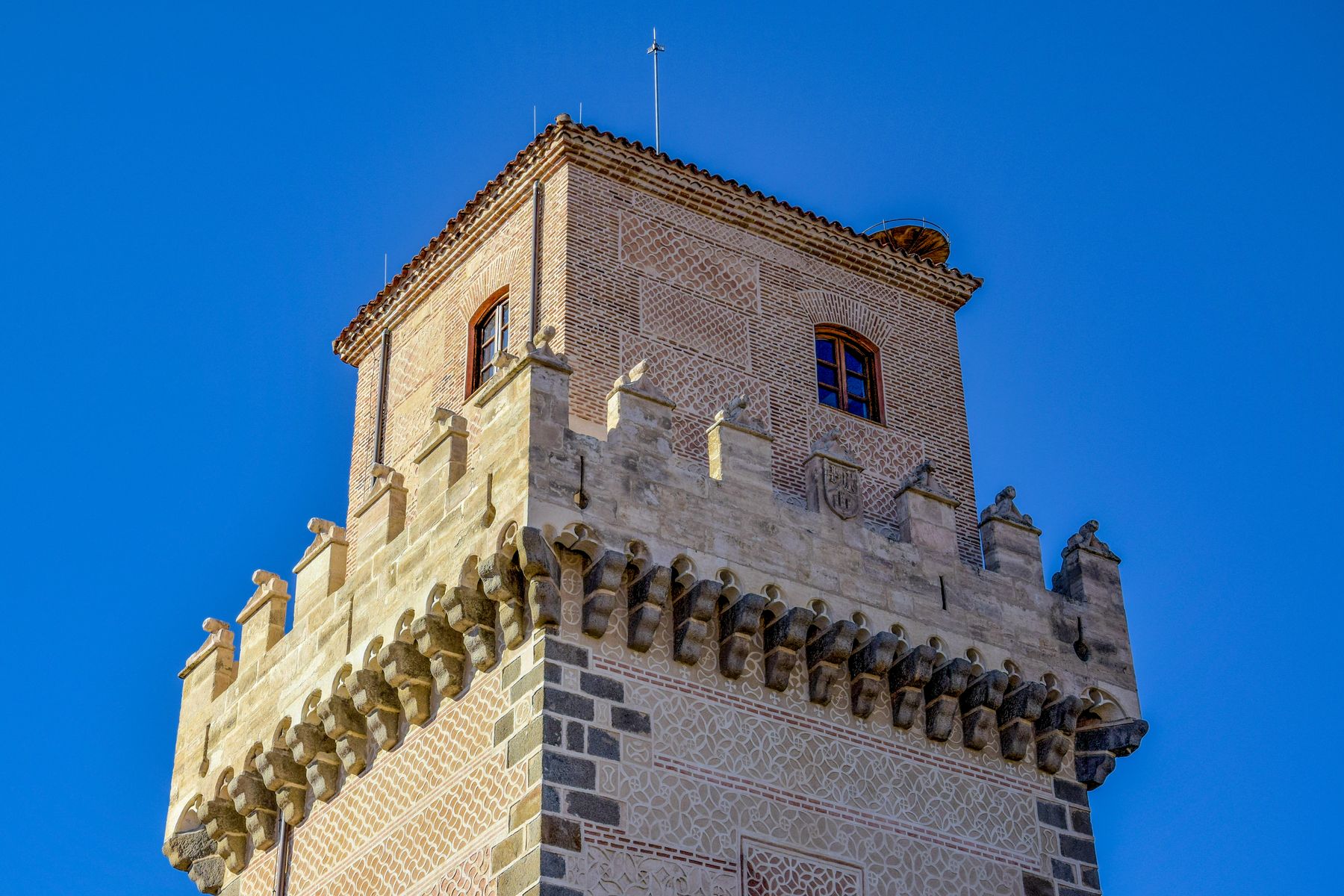
San Lorenzo sits just outside the old city, on the east bank of the Eresma where the streets flatten out and the tourist tide thins. The church itself is the draw: a 13th-century Romanesque brick tower with paired arcaded galleries at the top, the kind of open loggia you see across Segovia's hinterland. It is a parish in daily use, so visits are usually limited to Mass times and the hours posted at the door rather than a ticket window. Walk around the apse on the Calle de San Lorenzo side and the brickwork is at its best in low morning light.
Getting there is a 15-minute walk from the Plaza del Azoguejo, under the aqueduct and along Calle de San Francisco, or five minutes on lines 3 or 8 from the Acueducto stop. Come between April and June or in September and October: Segovia in July and August bakes at midday, and the walk has almost no shade. Sunday morning is the sweet spot, when locals are heading to Mass and the bakeries on Calle de San Lorenzo are doing steady business.
The Romanesque churches of El Salvador and San Millán
From San Lorenzo, head south on Calle de Valdevilla and then east to the Plaza de El Salvador, where the church of El Salvador keeps a porticoed gallery and a carved west front that rewards a slow look. Between here and the Plaza de San Millán you pass the church of San Millán, another brick tower of the same family, and the small Plaza de la Judería with its well. This is not a museum quarter; it is where people live, so keep voices down in the plazas and photograph facades rather than doorways with people in them.
Allow 45 minutes of walking and 30 of standing about. The churches keep erratic opening hours and charge nothing or a small donation when they open at all, so plan around the outside rather than pinning hopes on an interior. If one is unlocked, step in for the retablos and the cool; if not, the brick arcades are the point. I would not build a Segovia day around these interiors; build it around the walk, then give the cathedral and the Alcázar their own afternoon.
Coffee, lunch and the practical loop
The natural pause is the Plaza de San Millán or the streets around Calle de San Lorenzo, where neighbourhood bars serve a morning coffee and a tostada for a few euros and a menú del día at lunch for noticeably less than inside the walls. Nothing here needs booking except at weekend lunch, when family tables fill the dining rooms from about 14:00. Carry water: the fountains are sparse east of the aqueduct, and the stretch along Calle de los Hoyos has little in the way of shade or benches.
The full loop from the aqueduct and back runs roughly three kilometres and takes two and a half to three hours with stops, almost all of it flat. Buses 3 and 8 link the Acueducto with San Lorenzo, and the walk back to the old city is uphill only in the last 300 metres. If you have a car, park in the paid lots near the aqueduct rather than on the residential streets off Calle de San Lorenzo, where parking is restricted and residents notice. Skip the walk entirely on a wet winter day, when the pavements are slick and the churches are shut.
Where to sleep for this route
Staying near the Plaza del Azoguejo or along Calle de San Francisco puts you five minutes from the start of the loop and ten from the cathedral, which is the best of both. Hotels inside the walls near the Plaza Mayor are charming but pricier and noisier at night; the streets around San Millán are quieter and cheaper but a 15-minute walk from the Alcázar. For a two-night stay built around walking, I would book somewhere between the aqueduct and the Plaza Mayor and treat San Lorenzo as a morning outing rather than a base.
Book direct with the hotel where you can, and ask about breakfast times: Spanish hotel breakfasts often start at 08:00, which is late if you want the empty streets before the day-trippers arrive from Madrid. Trains from Madrid leave Chamartín and take about 30 minutes to Segovia-Guiomar, with a connecting bus into the centre; the walk itself begins at the aqueduct. If your visit falls in the Fiestas de San Lorenzo in August, book accommodation well ahead, as the neighbourhood fills.
Before you book
The questions people ask about San Lorenzo, answered with this month’s numbers.
About two and a half to three hours at an easy pace, covering roughly three kilometres from the aqueduct and back. Most of it is flat, with only the final 300 metres climbing back into the old city.
Irregularly. San Lorenzo, El Salvador and San Millán are working parishes, so opening depends on Mass times and posted hours. Expect free entry or a small donation when they are open, and plan to enjoy the brick exteriors regardless.
Walk under the aqueduct and along Calle de San Francisco, which takes about 15 minutes, or take bus lines 3 or 8 from the Acueducto stop for about five minutes. Taxis from the centre are short and metered.
April to June and September to October. July and August are hot at midday with little shade on the route, and wet winter days make the pavements slick while leaving the churches shut.
Yes. Neighbourhood bars around Calle de San Lorenzo and the Plaza de San Millán serve a menú del día at lower prices than inside the walls. Weekend lunch fills up from about 14:00, so arrive early or book.
I would stay between the aqueduct and the Plaza Mayor: five minutes from this route and ten from the cathedral. San Lorenzo is quieter and cheaper but 15 minutes from the Alcázar.
Easily. Do the walk in the morning, then give the cathedral and the Alcázar their own afternoon. The route ends back at the aqueduct, so nothing is doubled.
Mostly yes. The route is flat and paved, though the return into the old city includes a short climb. Interior church access varies, and some doorways have steps.