Booking a Segovia Hotel Direct or Through a Portal: What Actually Differs
 Booking a Segovia Hotel Direct or Through a Portal: What Actually Differs
A room-by-room look at what direct booking changes in Segovia, from the Aqueduct to the Eresma, and the questions worth emailing before you commit.
What a Portal Gives You, and What It Costs
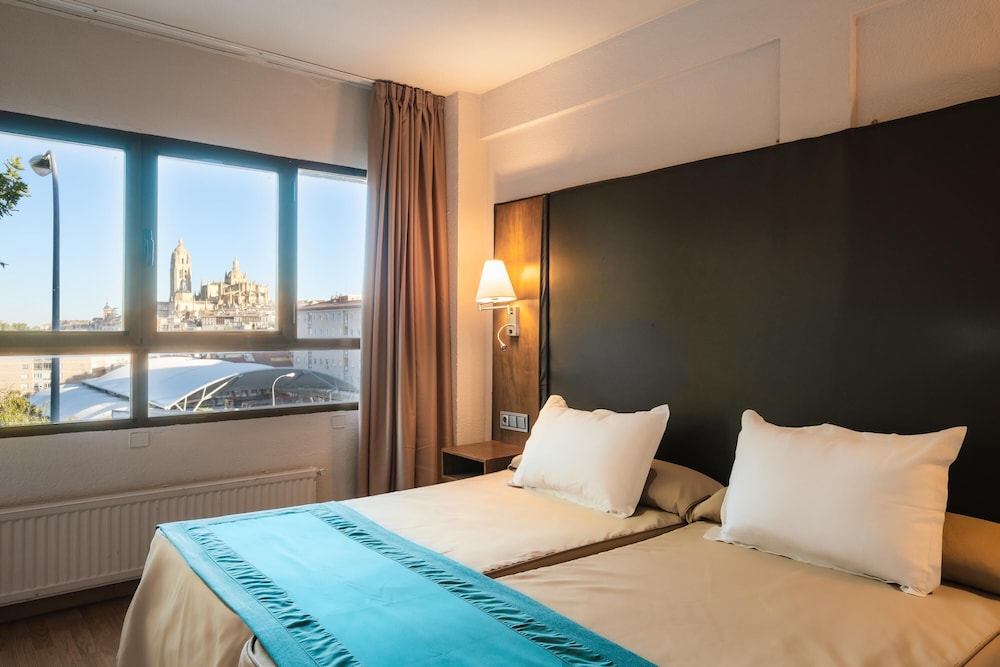
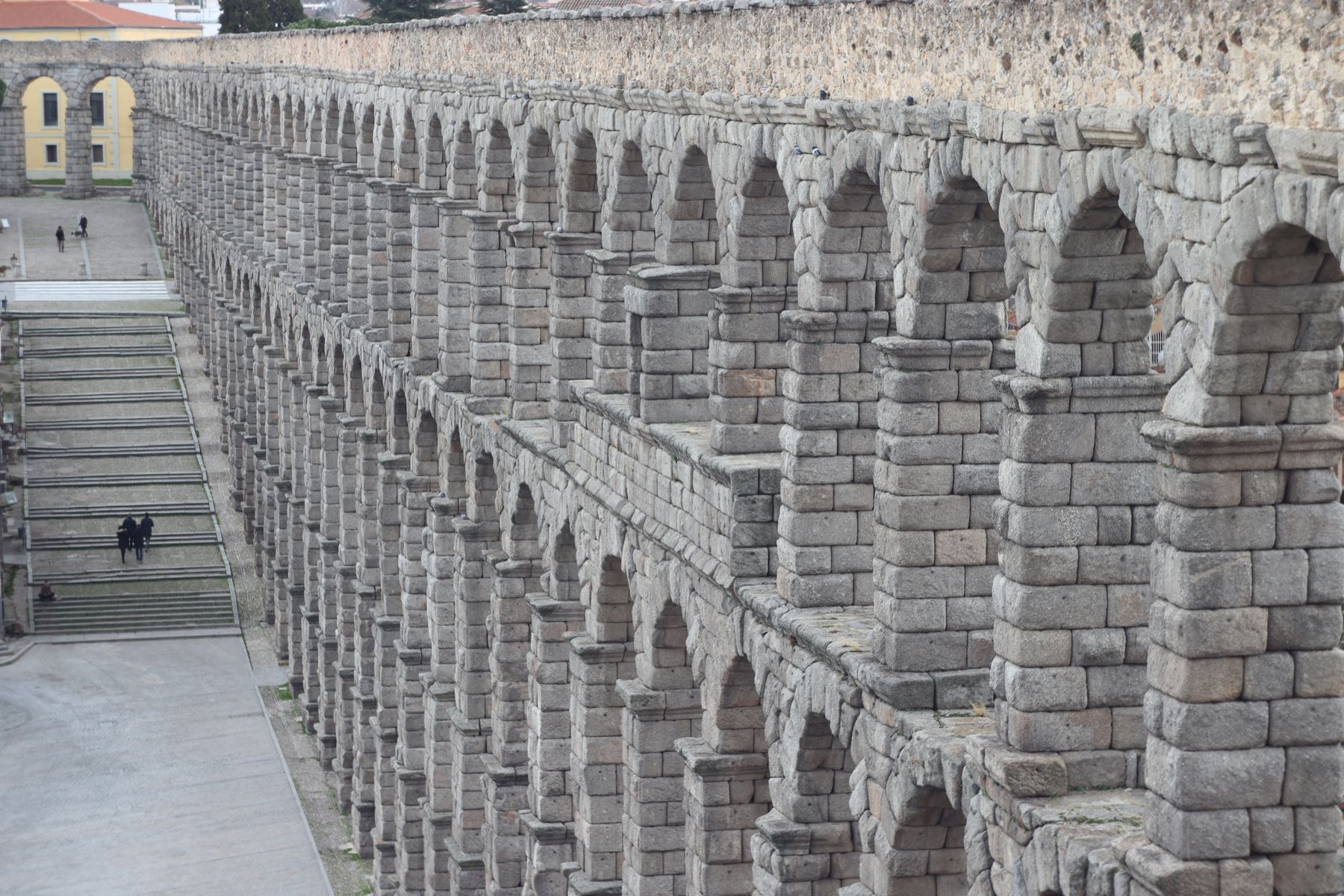
Most Segovia stays get booked through the big portals because the comparison is effortless: one screen, a map, a review score. That convenience has a price, usually a commission of 15 to 20 per cent that the hotel absorbs. It rarely shows up as a line on your bill. Instead it shapes what you are offered — a standard double rather than the attic room with the Aqueduct framed in the window, no flexible cancellation, breakfast billed separately. When you book direct, that margin becomes negotiating room, and in a city where many properties are family-run conversions of old stone houses, the person answering the email is often the owner.
The practical saving is rarely a headline discount. It is the extras: a late checkout that lets you catch the 19:40 AVE to Madrid without dragging luggage to the station, a room on the quieter inner courtyard instead of the street, a cot or extra bed waived. Direct booking also means changes go through one person rather than a call centre. Ask plainly whether the rate matches what you saw on the portal — most small hotels in Segovia will confirm or explain the difference rather than lose the booking.
Where You Stay Changes the Question
Inside the walls of the old town, between the Plaza Mayor and the Aqueduct, hotels occupy medieval buildings where room sizes vary wildly within the same category. A direct conversation matters here: ask for square metres and whether the window faces the street or an interior patio, because Calle de la Infanta Isabel and Calle Isabel la Católica carry late-night noise from Friday onwards. Rates in this core run roughly 65 to 110 euros for a mid-range double in spring and autumn, rising through the May and September festival weekends. The trade-off is that you walk everywhere — the Alcázar is ten minutes from the Aqueduct on foot.
Across the Eresma, along the Paseo del Salón and towards the Fuencisla, hotels sit in newer buildings with parking, which matters if you arrive by car and refuse to attempt the old-town streets. Expect free or cheap on-site parking here, a rarity inside the walls, and a 10 to 15 minute walk to the Aqueduct. Ask directly about garage height limits and whether the space is reserved or first-come. If you are arriving on the Avanza bus from Madrid's Moncloa, which takes about 75 minutes, the old town is the better base.
The Questions Worth Asking Before You Pay
Send one short email with four or five specifics rather than a vague enquiry. Ask for the exact room number or floor, the cancellation deadline in plain language, and whether the quoted rate includes the 10 per cent Spanish VAT — it normally does, but confirm. Ask about air conditioning, which matters more in July and August than many stone-built properties advertise, and about lift access in converted buildings where the reception may be up a narrow staircase. On arrival times, ask whether reception is staffed after 21:00, since smaller Segovia hotels often lock up early and leave a code.
For drivers, request written directions to the nearest car park before you set the satnav, because the old town's restricted-access streets confuse navigation apps and fines are issued automatically. Cyclists on the Camino de Madrid route should ask about secure storage, not just a rack in a courtyard. If you are travelling in November or February, ask whether heating is included and whether the restaurant is open midweek — many close Sunday to Tuesday. Booking direct is how you get those answers before you commit a card.
Which Approach I Would Book
My recommendation: search on a comparison site, then book direct with the property you have chosen, and say where you found it. You keep the review evidence and the map, and the hotel keeps the margin — which in Segovia usually returns as flexibility rather than cash off. Best months are May, June and September, when the Aqueduct and Alcázar are pleasant and rates sit mid-band; July and August are hot and busy, and January is cold but cheapest. Avoid arriving during the San Frutos and San Lorenzo fiestas at the end of August if you want quiet nights.
Skip the chain hotels ringed around the bypass if you have come for the old town — the drive in each day defeats the point. Skip the cheapest old-town rooms without windows, too. For a short break, a direct-booked room near the Plaza Mayor beats a slightly cheaper one across the river. If your dates are fixed around a wedding or a concert at the Teatro Juan Bravo, book earlier than you think and ask about a deposit policy in writing.
Before you book
The questions people ask about Segovia, answered with this month’s numbers.
Not always on the headline rate, but often on the total. Hotels may match portal prices and add breakfast, late checkout or parking instead of a discount. Ask them to confirm in writing that the direct rate equals what you saw online.
Get the cancellation deadline, the exact room type and floor, whether VAT is included, whether reception is staffed at your arrival time, and where to park. Written confirmation by email is normal and reasonable to request.
Book two to three months ahead for May, June and September, the most comfortable months. For July, August and festival weekends, book earlier. Winter weekdays are quiet and negotiable, with more room for direct-booking extras.