Choosing Between Segovia's El Salvador Church and Turégano Castle
 Choosing Between Segovia's El Salvador Church and Turégano Castle
One is a Romanesque treasure a five-minute walk from the Plaza Mayor; the other is a fortified detour 35 minutes north — here is how to decide which earns your morning.
El Salvador: The Romanesque Tower Beside the Aqueduct
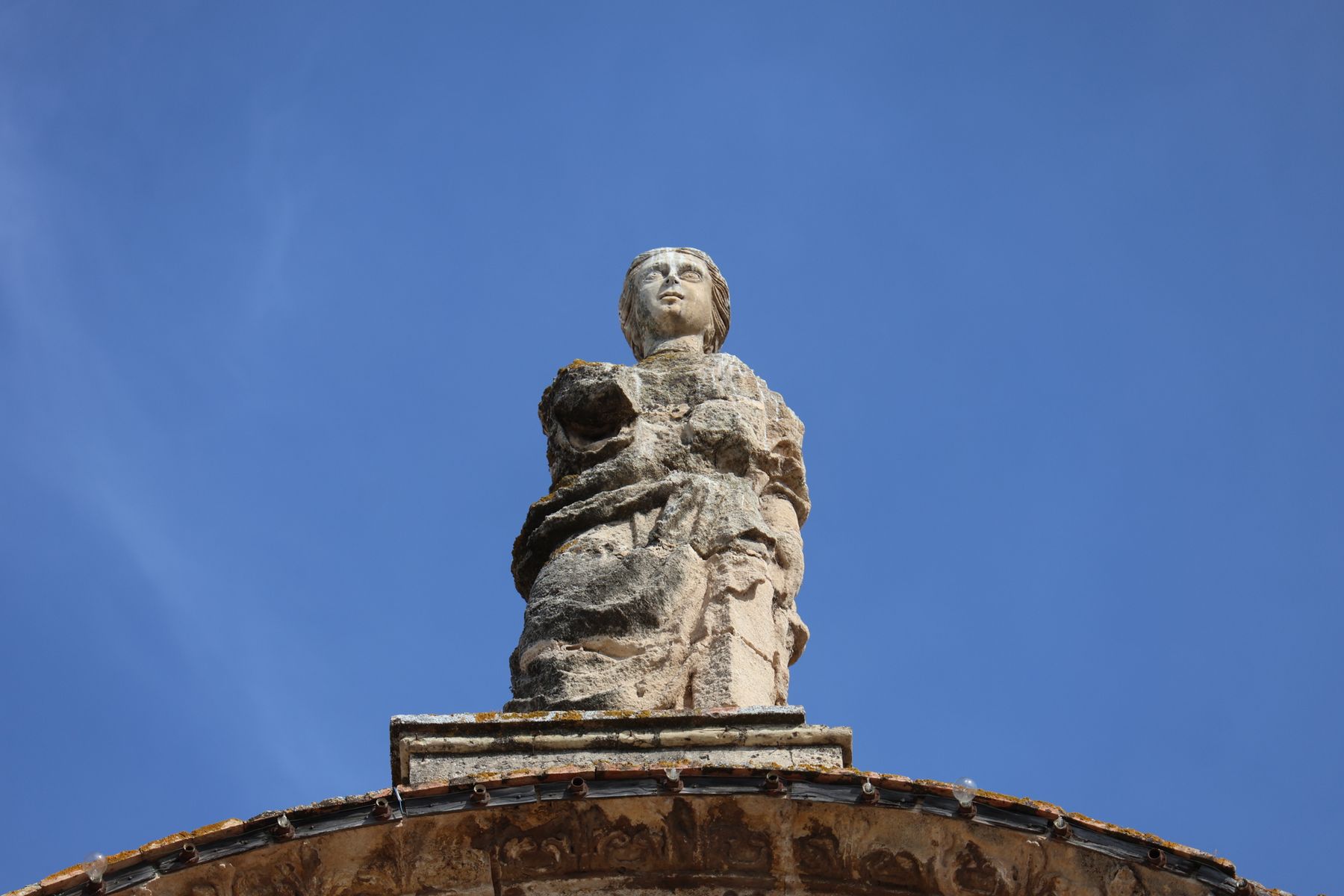
Iglesia del Salvador sits on Calle Miguel Ruiz Albéniz, roughly 200 metres from the Acueducto and a five-minute walk from Plaza Mayor. The draw is the five-storey Romanesque bell tower, added in the twelfth century to an earlier nave, with paired arched windows that make it one of the cleanest examples of Segovian brick-and-stone work. Opening hours are short and change with the season; entry is either free or a token charge, and Mass still takes priority over visitors. Come on a weekday morning between 10:00 and 12:00, when light falls on the south face and the plaza in front is quiet.
Inside, the nave is modest — a single room with a painted apse and a few carved capitals worth a slow lap. Budget 20 to 30 minutes. The tower is the reason to come, and you can study it just as well from the street or from a café table on the adjacent square, which is why I would put this church second on a short-break itinerary rather than first: the Aqueduct, the Cathedral and the Alcázar will absorb most of your daylight. Visit El Salvador as an early stroll before those open, then walk down Calle Real toward the Plaza Mayor for coffee.
Turégano: The Castle-Church North of the City
Turégano Castle stands about 35 kilometres north of Segovia, a 35 to 40-minute drive on the CL-601, or a regional bus from Segovia's Estación de Autobuses that takes just under an hour. It is a genuine oddity: a fifteenth-century fortress wrapped around the church of San Miguel, so the sanctuary sits inside the walls and the apse becomes a bastion. The Torre del Homenaje and the corner towers are intact enough to read the defensive logic, and the village around it — whitewashed, working, unpolished — is the sort of place tour groups skip.
Allow an hour at the castle and another hour to walk the village, see the medieval bridge and eat a plate of cochinillo or sopas segovianas in one of the small dining rooms on Plaza Mayor. If you have a car and two full days in the province, this is a good half-day: combine it with the road to Pedraza, 20 minutes east, or with a stop at Sotosalbos on the way back. If you are travelling by train or have only one night in Segovia, the logistics are not worth it, and I would skip Turégano entirely.
Which I Would Book, and When to Go
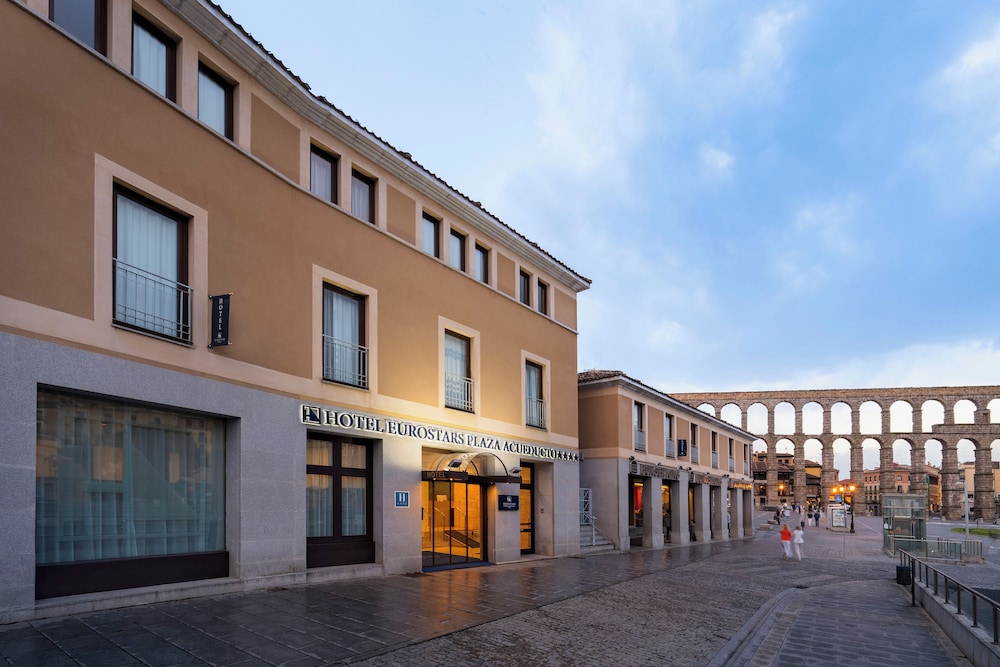
For a first visit of one or two nights, base yourself in Segovia's old town and treat El Salvador as a 30-minute stop folded into a walking morning. Hotels inside the historic centre cluster around Calle Juan Bravo, the Plaza Mayor and the streets below the Alcázar; rooms there run from modest hostales to converted noble houses, and being on foot near the Aqueduct is worth more than any view from a ring-road chain. If you have a car and want the castle, book two nights in the city and drive out on the middle morning, returning before the afternoon crowds reach the Alcázar.
Best months are May, June and September: warm, dry, and outside the August crush when Segovia's streets fill and restaurant terraces queue. April and October are cooler but still comfortable, and winter mornings at El Salvador can be bitter. If you are weighing the two against each other and only have one day, choose El Salvador without hesitation — it is in the city, nearly free, and takes less time than the drive north. Choose Turégano only if you already have transport and a spare half-day.
Practical Comparisons
Cost and effort separate these two sharply. El Salvador asks for a short walk and perhaps a coin in a donation box; Turégano asks for fuel or a bus fare, a timetable check and half a day. El Salvador is accessible on foot from anywhere in the old town, with the Acueducto bus stops and the Plaza Mayor taxi rank nearby. Turégano's bus service is infrequent and the castle's own opening hours are limited and irregular, so confirm locally before setting out — the tourist office on Plaza Mayor can tell you what is running that week.
Language matters too: El Salvador's signage is slim, while Turégano's castle has a small interpretation room but staff are not always present. Neither is a museum with an audio guide. Bring a printed note or use offline maps, and remember that in both places visitors should step quietly around anyone praying. If you want the fullest picture of Segovia's Romanesque heritage, see El Salvador first, then take the road north when the city has given you its main sights.
Before you book
The questions people ask about El Salvador, answered with this month’s numbers.
Plan 20 to 30 minutes for the nave and tower base, or simply 10 minutes to look at the exterior from the square. Check seasonal opening hours on arrival, as Mass takes priority.
Only if you have a car and half a day to spare. The castle-church is unusual, but the 35-minute drive each way and limited opening hours make it a poor fit for a one-night stay.
Book inside Segovia's historic centre near Calle Juan Bravo or the Plaza Mayor. You can walk to El Salvador in minutes and reach Turégano by car or regional bus from the Estación de Autobuses.