Getting Around Nueva Segovia: Transport and the Walk to the Old Town
 Getting Around Nueva Segovia: Transport and the Walk to the Old Town
How to move between Segovia's modern grid and its walled old town, with stations, streets, walking times and the transport choices worth paying for.
Arriving by train or bus
Segovia's high-speed station, Segovia-Guiomar, sits about 6 km southeast of the city off the Avenida de Juan Carlos I corridor. The Avant services from Madrid Chamartín take roughly 27 minutes; regional trains from Madrid's Chamartín and Atocha are slower. From Guiomar, bus line 11 runs into the centre and drops near the Acueducto, and a taxi rank waits outside the arrivals door. The older Segovia bus station, on Paseo Ezequiel González, is more central and is where most regional coaches from Madrid's Moncloa terminal arrive after about 75 minutes.
If you are carrying luggage, the bus station is the easier arrival point: it faces the western edge of the old town, and the walk up Calle Fernández Ladreda to the Aqueduct takes about 12 minutes on gentle ground. From Guiomar, treat the bus or a taxi as normal rather than a splurge, because the station is built for the Madrid commute and the local bus is the practical link. Both stations are served by city buses that continue to the Plaza del Azoguejo.
Nueva Segovia's grid and the streets toward the walls
Nueva Segovia is the modern town below and around the historic core: wide avenues such as Avenida del Acueducto, Calle Fernández Ladreda and Avenida de Vía Roma, with free parking on many side streets and paid underground car parks near the Aqueduct. This is where most of the city's ordinary life happens — supermarkets, pharmacies, cafés and the bus links — and it is flat enough to walk easily. The old town sits on the rocky spur above, entered through the Plaza del Azoguejo beneath the Aqueduct or by the steps near the Plaza Mayor side.
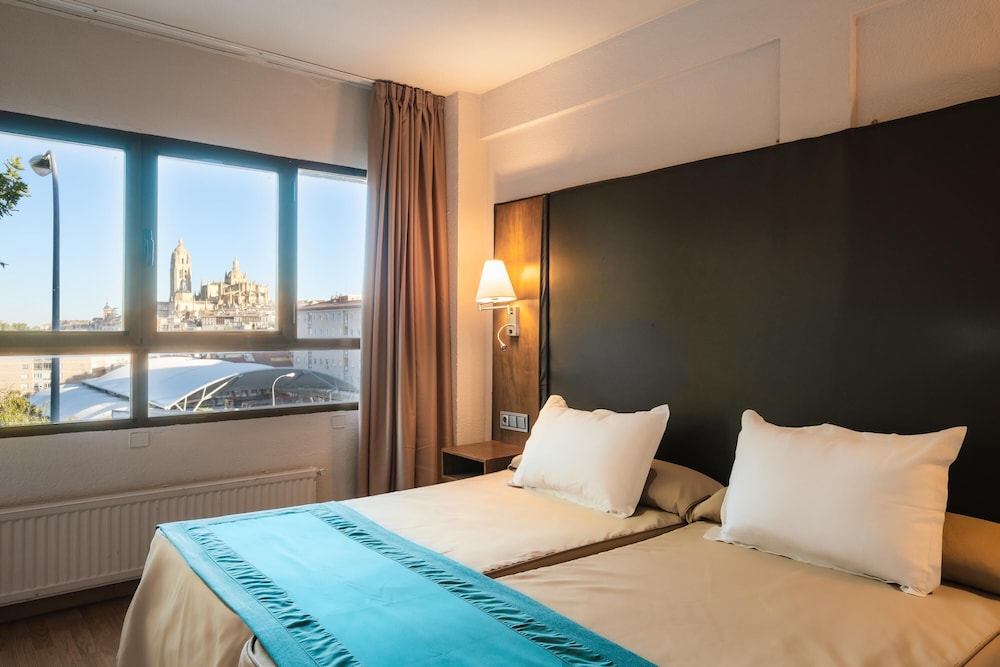
For a short stay, the best base is somewhere in Nueva Segovia between the Aqueduct and the bus station, or in the lanes just inside the walls near Calle Real. From there the Plaza Mayor, the Cathedral and the Alcázar are all within 10 to 20 minutes on foot, with the Calle Real climb being the steady one. If mobility is limited, note that the old town is steep and cobbled; the modern grid is not. I would book a hotel in the lower town and walk up, rather than pay for a car you barely use.
Walking times, hills and what to skip
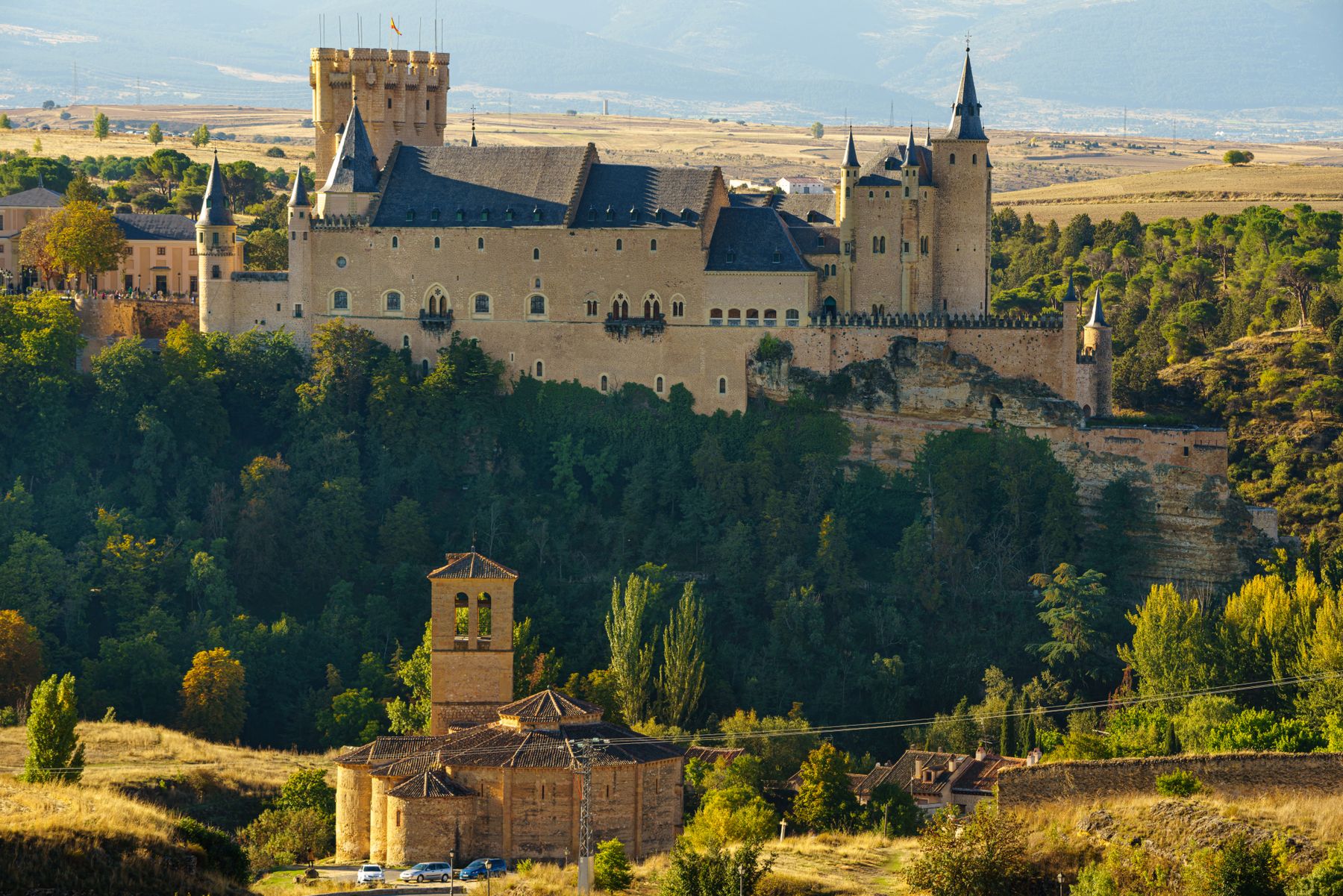
On foot, expect roughly 10 minutes from the Aqueduct to the Plaza Mayor, another 5 to the Cathedral, and 10 to 15 more down Calle Real to the Alcázar. The Jewish quarter around Calle Judería Egeret and the Plaza del Corpus is a short detour off that route. Buses run up to the old town but are infrequent; the walk is the point, and the views from the Ronda de Don Juan II back over the Eresma valley and the Vera Cruz church are the reward. Wear shoes with grip for the granite paving, especially after rain.
Skip the Segovia city sightseeing bus if you mainly want the old town; it does not add much beyond what the streets give you, and the historic core is compact. Skip driving into the walled centre, where parking is scarce and the streets narrow. The one car trip worth considering is out to the Alcázar from a lower-town hotel at night, or a half-day by bus or taxi to the Palacio de La Granja de San Ildefonso, about 11 km southeast, if the fountains are running. Best months for walking are May, June, September and early October.
Where this leaves a booking
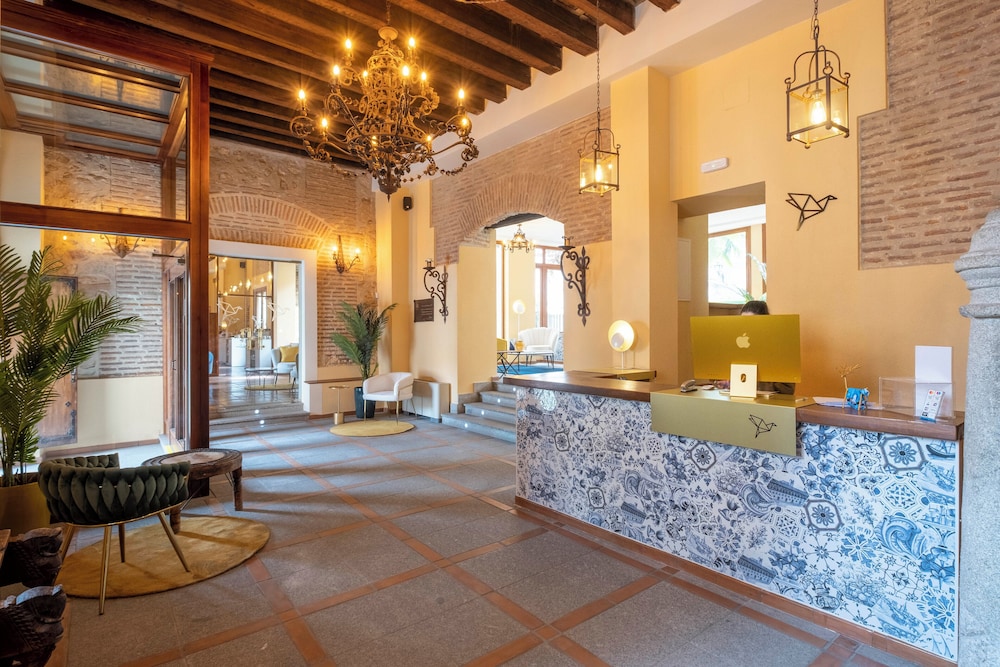
The transport picture favours staying central and low. A room near the Plaza del Azoguejo or along Calle Fernández Ladreda puts you five minutes from the bus station, ten from the Aqueduct, and a straight walk up to the old town. From there, a day trip to Madrid is a train ride from Guiomar plus the shuttle bus, and the return in the evening is straightforward. Look for hotels with reception hours that match a late Avant arrival, and confirm whether breakfast starts before 8 am if you plan an early train.
For a first Segovia trip I would choose two nights in Nueva Segovia, close to the Aqueduct, and walk everywhere: the old town in the morning, the Eresma riverside in the afternoon, dinner back in the modern grid where tables are easier to find. Keep one afternoon free for La Granja if the season suits, and keep cash or a card for the local bus to Guiomar. None of this needs a car, and the walking is short enough that the hotel's location matters more than its amenities.
Before you book
The questions people ask about Segovia, answered with this month’s numbers.
Bus line 11 connects Segovia-Guiomar with the centre near the Aqueduct, and taxis wait outside the station. The ride is short. The older bus station on Paseo Ezequiel González is closer for walking into the old town.
It is manageable but uphill and cobbled. Allow 20 to 25 minutes from the Aqueduct, via Calle Real. Wear shoes with grip and take the climb steadily; the modern grid below is flat and easier.
May, June, September and early October give mild, dry days for the old town's slopes and the Eresma riverside. July and August are hot at midday, and winter mornings on the granite can be cold and slick.