Segovia Day Trip Without the Lunchtime Shuffle
 Segovia Day Trip Without the Lunchtime Shuffle
How to plan around Spain's mid-afternoon shutdown so the aqueduct, the Alcázar and a plate of cochinillo all fit into one unhurried day.
Why the Closures Bite Hardest on a Day Trip
Segovia runs on the same rhythm as the rest of Castilla y León, and it catches visitors out. Most shops, small museums and church interiors close roughly between 14:00 and 17:00, with restaurants serving lunch from about 13:30 and many kitchens shutting by 16:00. If you arrive on the 10:30 Avant from Madrid Chamartín — the fast trains take around 27 minutes — you have a solid three and a half hours before the quiet sets in. Arriving at 12:00 instead leaves you with barely an hour before the doors start clicking shut.
The mistake is treating the closure as dead time to be endured on a bench. It is better read as a signal about sequence: monuments first, shops and minor sights after lunch, and a late-afternoon walk when everything reopens around 17:00. The Alcázar and the Cathedral keep continuous hours through the middle of the day, which makes them the safe anchors if your morning slips. Build the day around those two and the gaps stop mattering.
A Morning That Earns Its Lunch
Start at the Aqueduct on Plaza del Azoguejo, ideally before 10:00 when the light is low and the tour groups from Madrid have not yet landed. The climb up Calle Real into the old town takes ten minutes on foot and passes the Casa de los Picos on the way. Book the Alcázar online for the first slot you can get — entry is timed — and allow 75 minutes inside, including the tower climb if your legs are willing. From there, the Cathedral is a five-minute walk across Plaza Mayor and needs around 45 minutes.
Two alternative morning stops are worth knowing. The Casa-Museo de Antonio Machado, the poet's modest lodging near the Puerta de Santiago, is small and quick, but it observes conventional closing hours. The Jewish quarter around Calle Judería Vieja and the Centro Didáctico de la Judería rewards a slow wander and has no ticket queue at all. Neither substitutes for the Alcázar. If you only have one clear morning, spend it there and take the cathedral afterwards rather than the reverse — the palace lines grow faster.
Lunch, Then the Hours That Open Up
Segovia's signature dish is cochinillo asado, suckling pig, and the famous houses around Plaza Mayor and Calle de Herrería sit at the top of most visitors' budgets. Expect a wide band from a modest menú del día to a full roast at a celebrated address, and book ahead for the latter — the well-known kitchens fill with day-trippers by 14:00. A cheaper, equally local route is a bar counter in the same streets: a plate of ponche segoviano, the town's marzipan-and-cream cake, with coffee costs very little and keeps you moving.
After eating, the closures work in your favour. Between roughly 15:00 and 17:00 the old town empties, and that is the hour to walk the outside of the city walls along the Cuesta de los Hoyos, or to follow the Camino de San Juan de la Cruz down towards the Eresma valley. Save souvenir shopping on Calle Real, the Judería bookshops and the small church visits for after 17:00, when shutters lift again. If you are staying the night rather than catching a return train, this is also when to check into a hotel near Plaza Mayor or the Aqueduct.
Trains, Timing and Staying Over
The high-speed Avant from Madrid takes about 27 minutes; the slower regional trains from Atocha and Chamartín can run well over an hour and a half, and the station, Segovia-Guiomar, sits roughly 4 km outside the city — a bus or short taxi ride from the centre. Local buses into town run frequently. If you are driving from Madrid, the A-6 and AP-6 put you in the city in about an hour and a quarter, but parking inside the walls is awkward; the underground car parks by the Aqueduct are the practical choice.
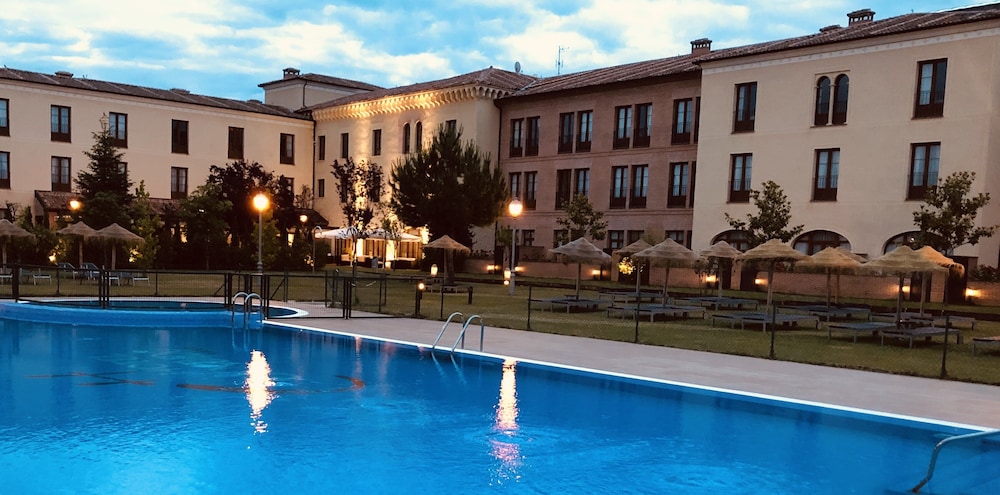
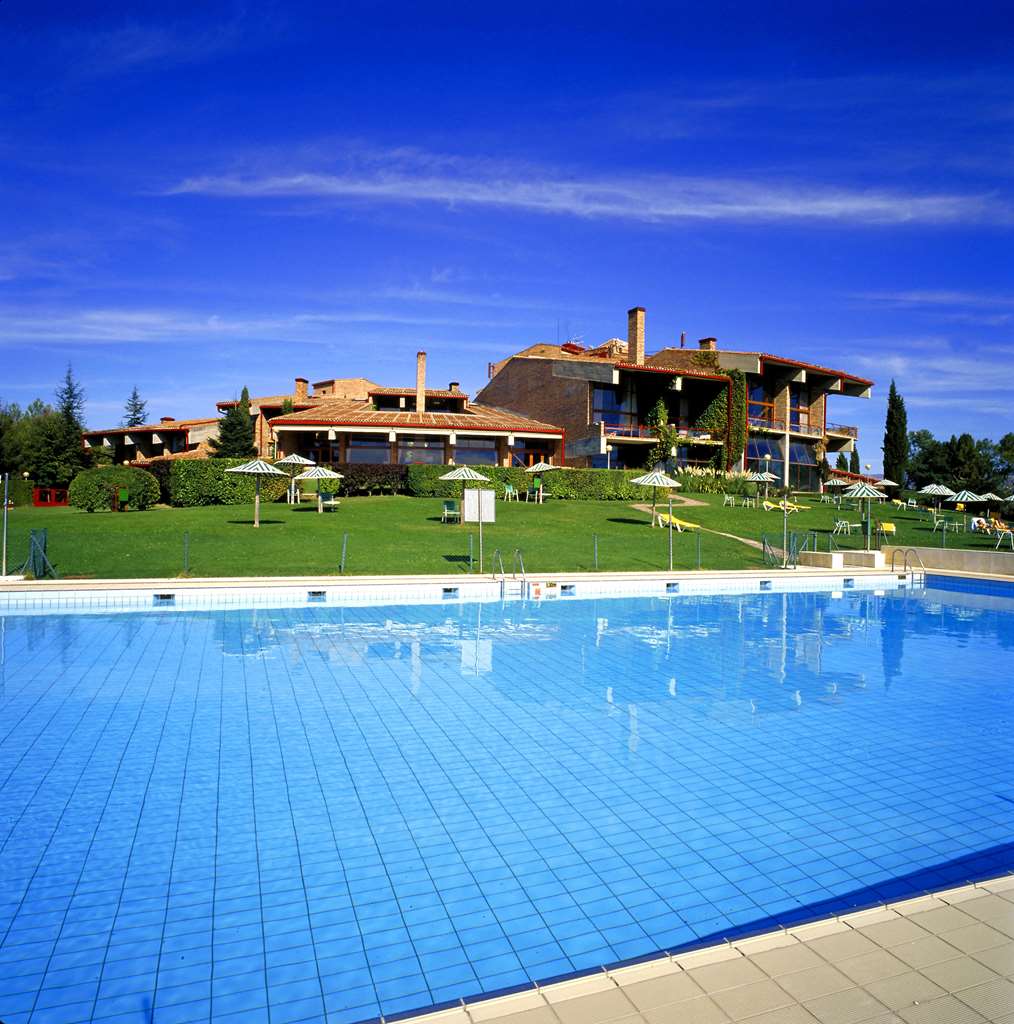
The case for a hotel is simple arithmetic. A day trip compresses everything into the hours before the closures and forces a rushed lunch. Staying one night means you see the Aqueduct floodlit after dark — far better than the daytime crowd — and eat dinner at 21:00 like everyone else. My recommendation: book a room within walking distance of Plaza Mayor and take the 10:30 train back the next morning. May, June, September and early October are the sweet spots; July and August afternoons are punishing, and January mornings on the plaza are genuinely cold. Skip August if you can.
Before you book
The questions people ask about Segovia, answered with this month’s numbers.
Small shops, church interiors and minor museums generally shut around 14:00 and reopen near 17:00. The Alcázar and the Cathedral stay open through the middle of the day, so plan those across the lunchtime window.
You can see the Aqueduct, the Alcázar and the Cathedral in a day, but the lunchtime closure compresses the afternoon. Staying one night lets you add the Judería, the city walls and an evening meal without rushing.
The Avant high-speed service takes about 27 minutes from Chamartín. Slower regional trains take considerably longer, and the station, Segovia-Guiomar, is roughly 4 km from the old town, reached by local bus or taxi.
Yes. Entry is timed and the palace draws heavy mid-morning crowds, especially from Madrid. Reserve the earliest slot you can manage and allow about 75 minutes, including the tower climb.
Cochinillo asado, roast suckling pig, is the signature, served at the well-known houses near Plaza Mayor. Ponche segoviano, a marzipan-and-cream cake, is the cheaper counter-side option with coffee.
Anywhere within walking distance of Plaza Mayor or the Aqueduct puts the main sights and evening restaurants on your doorstep. That matters most when you are squeezing the day around closures.
May, June, September and early October give the most comfortable walking weather. July and August afternoons are very hot on the exposed plazas, and January mornings are cold enough to slow you down.
Walk the outside of the city walls along the Cuesta de los Hoyos, follow the Eresma valley path, or simply take a long late lunch. The old town is at its quietest between roughly 15:00 and 17:00.