Segovia with a Baby: Cobbles, Slopes and Calmer Routes
 Segovia with a Baby: Cobbles, Slopes and Calmer Routes
A practical guide to pushing a stroller through Segovia's old town, where the aqueduct is flat and the streets behind it are anything but.
Start at the Aqueduct, where the ground is kind
Plaza del Azoguejo, beneath the double tiers of the Aqueduct, is the flattest and most forgiving patch of central Segovia. The pavement around the base is wide, the slope gentle, and there are benches along Calle Cervantes where you can stop without blocking anyone. Come before 10am in summer: the square is in shade, the day-trippers from Madrid have not arrived, and you can photograph the pillars with a stroller parked beside you rather than holding up a queue. April, May, late September and October are the comfortable months; July and August push past 35C by early afternoon.
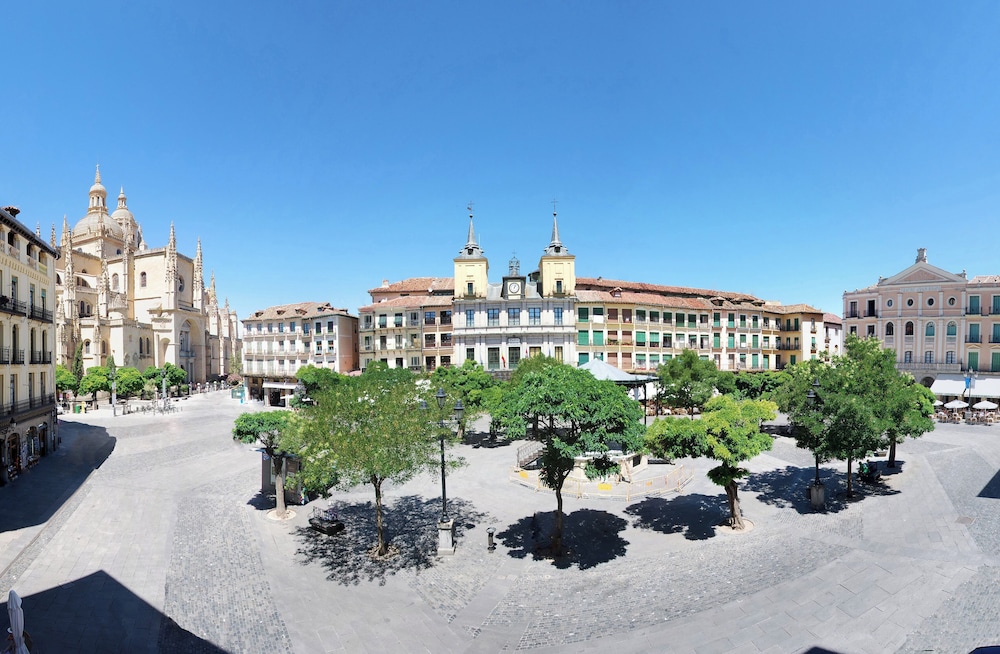
From the Aqueduct, Calle Real climbs toward Plaza Mayor on a steady gradient of worn granite setts. It is doable with a sturdy stroller and a second adult, unpleasant alone. A calmer option is to approach Plaza Mayor from the north instead, via Calle Isabel la Catolica and the Juan Bravo side, where the rise is shorter and the surface better maintained. Plaza Mayor itself is level and largely pedestrian, with cafe terraces under the arcades of the Ayuntamiento — a good place to sit out a nap with a coffee and a view of the cathedral spire.
The Alcazar and the cathedral without the struggle
The Alcazar sits at the far end of the old town on a rock above the confluence of the Eresma and Clamores valleys, and the last stretch is the steepest walking in central Segovia. With a baby, skip Calle Velarde and take the longer but gentler route along Calle Daoiz, which approaches the fortress from behind at a lower gradient. Once inside, the Alcazar's courtyard is level and stroller-friendly; the tower climb is spiral stairs with no lift, so plan for one adult to wait below while the other goes up. Allow two hours rather than the three a child-free visit takes.
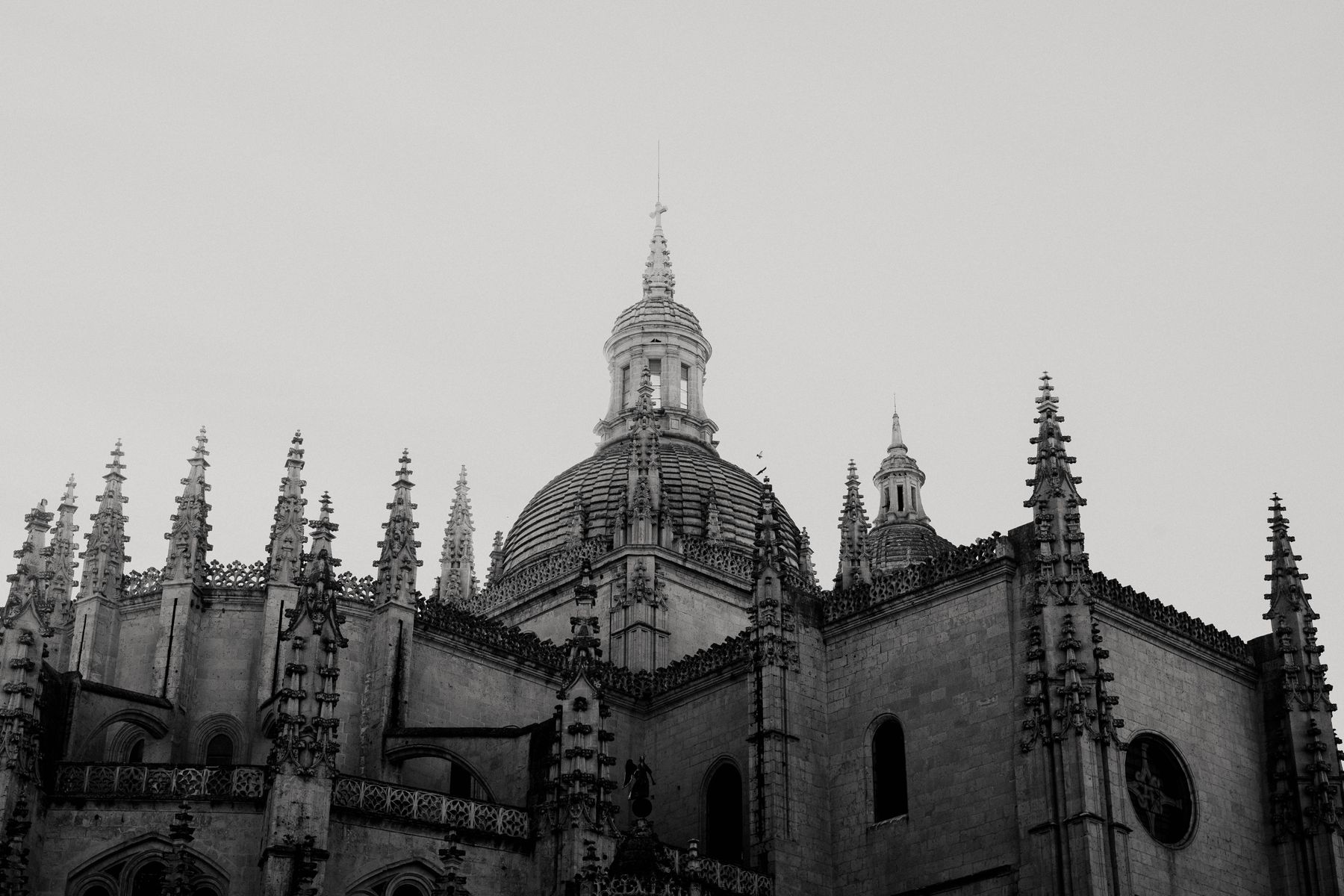
Segovia's cathedral, on the south side of Plaza Mayor, is easier: a short, gently rising approach from the square and a level interior with wide aisles. The cloister is the quietest corner and a natural place to feed or settle a baby out of the sun. Interior temperatures stay cool even in August, which makes it a sensible midday stop rather than a morning one. Do not attempt both monuments on the same day with a small child — the distances are short on the map but the cobbles tire everyone.
Where to sleep, and which hills to avoid
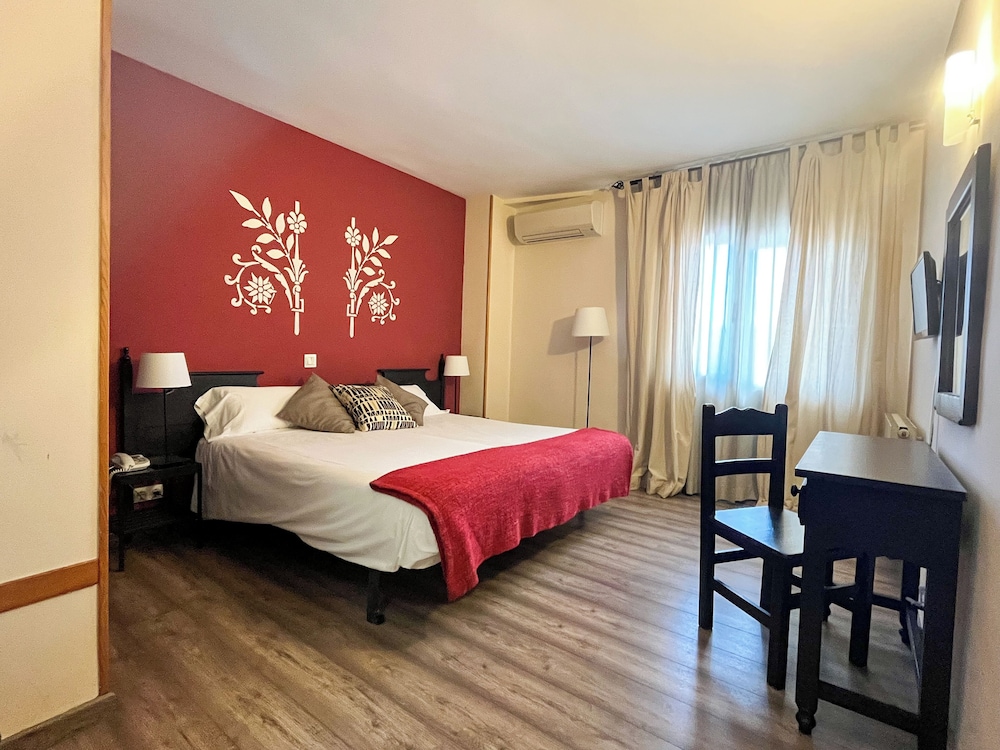
For a hotel booking, weight your choice toward the Aqueduct and Avenida del Acueducto rather than the postcard streets around the Alcazar. The Avenida is broad, level, has bus access and taxi drop-off at the door, and puts you five minutes on foot from the Aqueduct with the old town rising ahead of you. Hotels on Calle Juan Bravo or inside the medieval grid are charming but often involve stairs, narrow entries and a climb at the end of every evening. If you are arriving by train, note that Segovia Guiomar station sits roughly 6km outside the city and the bus or taxi transfer takes 15 to 20 minutes.
Self-catering apartments appear widely in the old town, but upper-floor flats without lifts are common — confirm the floor and lift before booking. Parking is the other practical filter: the underground car park at the Aqueduct is the most convenient for the centre, and many edge-of-old-town hotels have their own garages for a nightly fee. If you plan day trips, staying near the Aqueduct means you are on the ring road quickly rather than threading through pedestrian streets. For a family with a stroller, I would book a hotel on or just off Avenida del Acueducto and treat the old town as a walk, not a base.
Side trips and the honest skip list
The Eresma valley walk below the Alcazar, past the Vera Cruz church and the convent of San Juan de la Cruz, is green, shaded and largely level along the river path, with the climb back up to the city as the only real effort. The Fuencisla sanctuary on the far bank is a short detour. For something flatter still, the lanes around the Jewish quarter near the Corral del Mingo reward slow wandering. Outside the city, La Granja de San Ildefonso is about 11km southeast and roughly 15 minutes by car; its palace gardens are formal, gravel and manageable with a stroller, though the fountains only run on selected days.
What I would skip with a baby: the tower of the cathedral, the Alcazar's spiral staircase and any attempt to see the old town in a single three-hour push. Segovia's cobbles are beautiful and unforgiving, and a tired child on a steep Calle Real is the usual end of a long day. Eat late like the locals or early with the day-trippers — there is no middle ground in the busiest months — and keep the afternoon free for a hotel room and a nap. Book for spring or autumn, base yourself near the Aqueduct, and the city gives you its best face.
Before you book
The questions people ask about Segovia, answered with this month’s numbers.
Partly. Plaza del Azoguejo, Plaza Mayor and the cathedral are level and easy. Calle Real and the climb to the Alcazar are steep cobbles. Use Calle Daoiz for the Alcazar and allow extra time.
Hotels on or near Avenida del Acueducto offer level pavements, taxi access and a five-minute walk to the Aqueduct. Old-town streets around the Alcazar are picturesque but often involve stairs and slopes.
The station is about 6km outside the city. Bus and taxi transfers take 15 to 20 minutes, so factor that in when booking a hotel with an early arrival or a late train home.