Walking the Camino de Santiago Through Segovia: A Practical Guide
 Walking the Camino de Santiago Through Segovia: A Practical Guide
Segovia's Camino route blends Roman engineering, medieval streets and quiet meseta tracks—here's how to plan a walking day without missing the city's best beds and bites.
Which Camino route passes through Segovia?
Segovia sits on the Camino de Madrid, a lesser-walked branch that starts in Madrid and joins the Francés at Sahagún. From Madrid, the route runs north via Tres Cantos and Colmenar Viejo, crosses the Sierra de Guadarrama near Cercedilla, and enters Segovia province at Navacerrada. Walkers typically reach Segovia city after three to four days from Madrid, covering roughly 20–25 km per day. The Segovia stage is well marked with yellow arrows and scallop shells, and the terrain is a mix of forest track, Roman road and open farmland.
Coming from the north, the Camino de Madrid approaches Segovia from Santa María la Real de Nieva, a 30 km stage along the N-601 corridor. Most walkers break it at the village of Los Huertos or push through to Segovia's bus station. The final approach into the city is on pavement along the Carretera de Soria, which is not the prettiest, but the reward is the aqueduct rising ahead. If you want a shorter, gentler day, start at Valsaín and walk the 14 km through the pine woods to the city.
Where to stay in Segovia for a walking trip
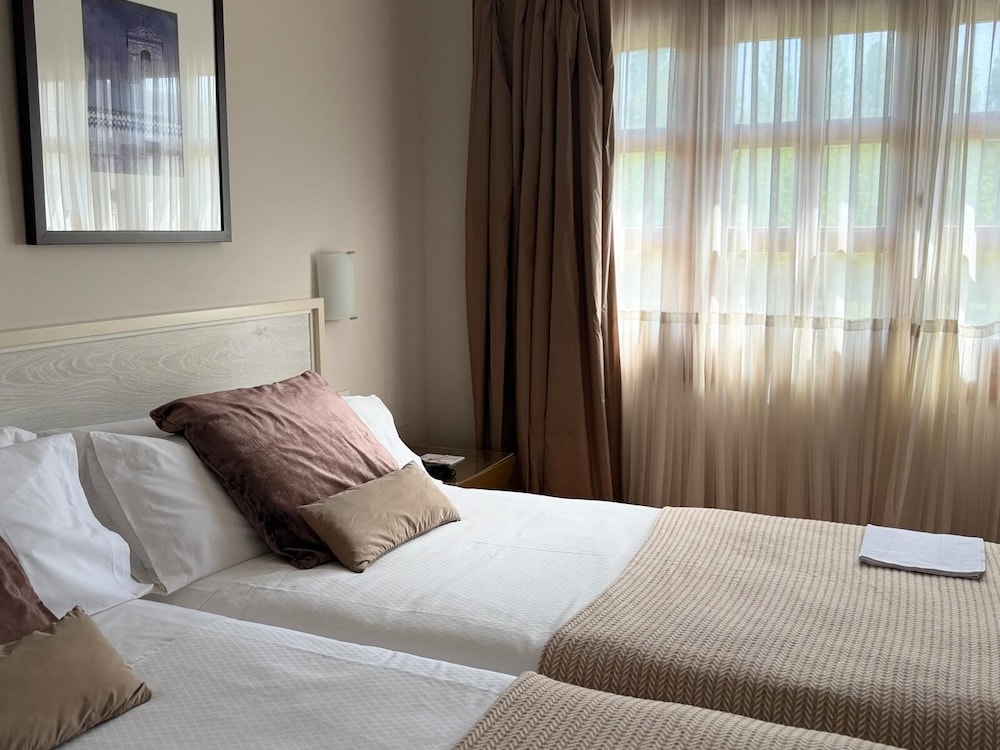
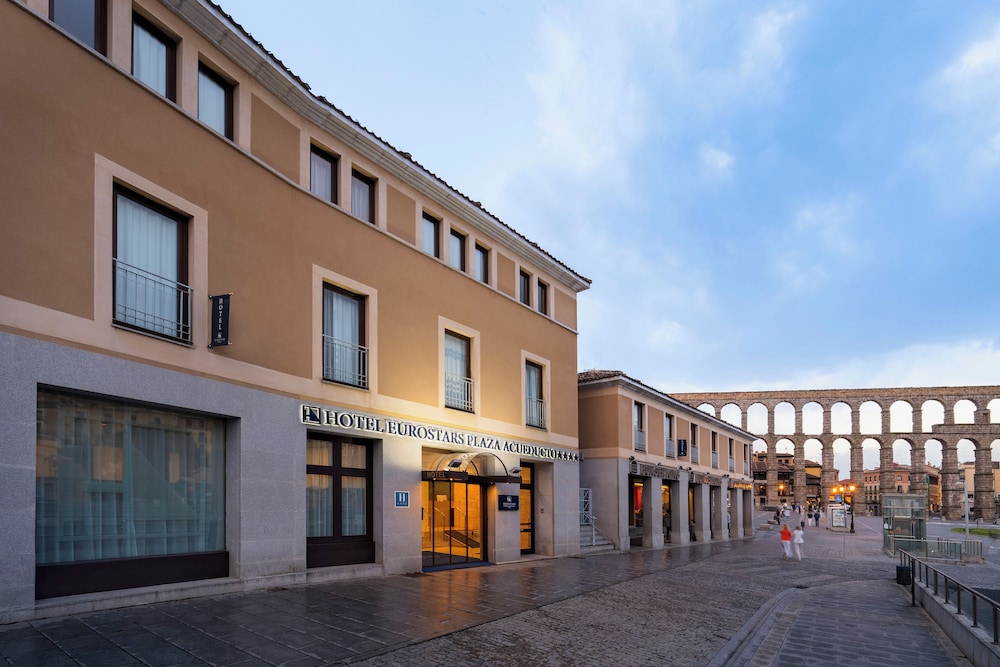
For walkers, the most practical base is inside the old city walls, within 10–15 minutes on foot of the aqueduct and the Plaza Mayor. Hotels around Calle Juan Bravo and the Plaza del Azoguejo put you right on the Camino as it threads through town. Expect to pay €60–90 for a simple double in a hostal, €90–140 for a mid-range hotel, and €150–220 for a boutique property near the Alcázar. Book two nights if you want a full rest day; one night is enough if you're just passing through.
If you arrive by train, the station is 2 km from the centre, and local buses run every 15 minutes. Staying near the station makes sense only for early departures to Madrid; otherwise, the old town is quieter and more atmospheric. I would book a hotel on or just off Calle Real, which keeps you on the Camino path and close to the main sights. Avoid the chain hotels on the N-110 ring road—they are a 25-minute walk from the aqueduct and have little charm.
What to see and eat along the Segovia stage
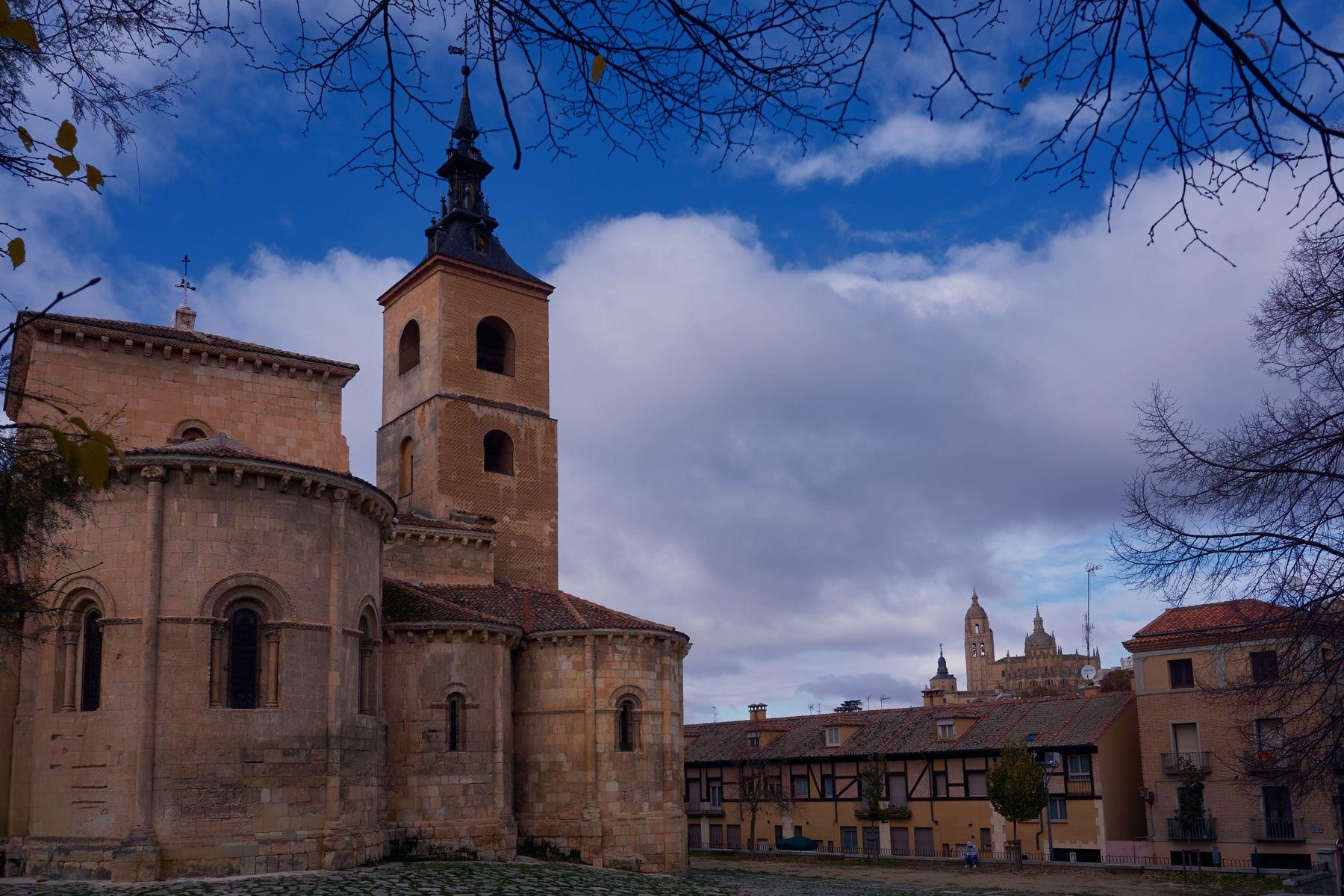
The Camino enters Segovia past the Iglesia de la Vera Cruz and the Alcázar, then climbs through the Jewish quarter to the Plaza Mayor. Don't rush: the 16th-century Segovia Cathedral dominates the square, and the Corpus Christi convent hides a remarkable Mudéjar ceiling. For a mid-walk break, stop at any bar on Calle de la Infanta Isabel for a tortilla de patatas and coffee. The local specialty is cochinillo asado (roast suckling pig), but it's a heavy lunch—save it for a rest day and book a table at a mesón near the aqueduct.
Water fountains are scarce on the approach stages, so fill up before leaving the city. The climb out of Segovia towards Valverde del Majano is exposed and can be hot in July and August; start before 8 am in summer. Spring and autumn are the best months, with mild days and fewer crowds. If you have a spare afternoon, the Royal Glass Factory (Real Fábrica de Cristales) in La Granja de San Ildefonso is a 20-minute bus ride away and worth the detour for its glass-blowing demonstrations.
Practical logistics for walkers
Segovia has no direct airport; most walkers fly into Madrid-Barajas (MAD) and take the AVE high-speed train from Chamartín station, which reaches Segovia in 27 minutes. The train station is 2 km from the centre, with bus line 11 running every 15 minutes. If you're continuing north on the Camino, the next main stop is Santa María la Real de Nieva (30 km), then Medina de Rioseco and Sahagún. Local buses connect Segovia to many villages along the route, useful for skipping a dull section.
Luggage transfer is available on the Camino de Madrid but less frequent than on the Francés; book through your hotel or a local taxi company a day ahead. Public albergues in Segovia province are basic and cost €6–10 per night, but they are often full in May and September. For a reliable bed, reserve a hotel in Segovia city at least two weeks ahead in peak season. I would skip the albergue in Segovia itself—it's a 30-minute walk from the centre—and book a small hotel near the aqueduct instead.
Before you book
The questions people ask about Segovia, answered with this month’s numbers.
Most walkers take three to four days, covering 20–25 km per day. The route passes Cercedilla and Navacerrada before descending into Segovia. Some walkers split the stage at Valsaín for a shorter day.
Yes, the route is marked with yellow arrows and scallop shells. In the city, follow the arrows past the aqueduct and through the old town. The signage is generally good, but carry a map for the rural stretches.
Book a hotel inside the old town, close to Calle Real or Plaza Mayor. This keeps you on the route and near restaurants. Expect €60–90 for a hostal double and €90–140 for a mid-range hotel.
May, June and September are ideal, with mild temperatures and manageable crowds. July and August can be very hot, especially on exposed sections. April and October are also pleasant but may bring rain.
Take the AVE high-speed train from Madrid Chamartín to Segovia, which takes 27 minutes. The station is 2 km from the centre, with bus line 11 connecting every 15 minutes.
Yes, but they are less frequent than on the Francés. Arrange transfers through your hotel or a local taxi company at least a day in advance. Costs vary by distance.
The Roman aqueduct, the Alcázar and the cathedral are essential. Also see the Mudéjar ceiling in the Corpus Christi convent. For a break, try tortilla de patatas in a bar on Calle de la Infanta Isabel.
Yes, many walkers do a day stage from Segovia to Valverde del Majano (12 km) or to Santa María la Real de Nieva (30 km). Local buses can bring you back to Segovia.